


Original Hybrid
@ottysleep
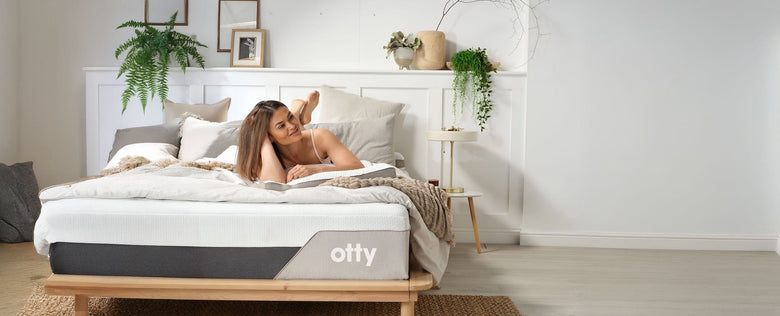
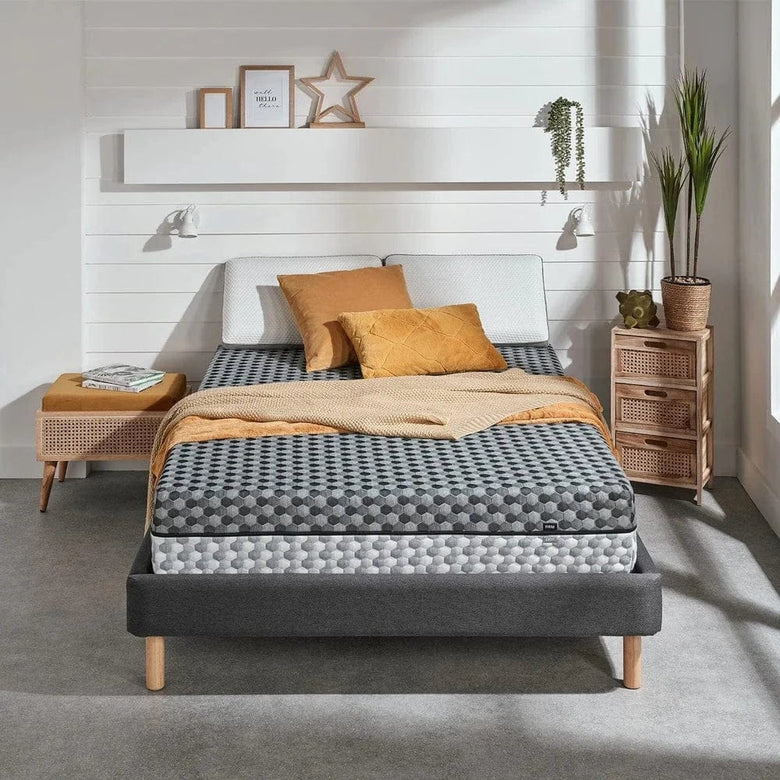
A considered bedroom setup built around OTTY's flagship hybrid mattress.

|
|
Time to read 5 min
Michal Szlas
Michal Szlas is the founder of OTTY Sleep and a lifelong sports enthusiast who understands the critical role quality sleep plays in recovery and performance. Founding OTTY Sleep allowed him to dive deeper into innovative sleep solutions—ranging from advanced hybrid mattresses and cooling pillows to premium bedding—that can truly transform your sleep experience. With his extensive background in sports and passion for optimizing sleep, Michal is a trusted authority dedicated to helping you achieve better, more restorative sleep every night.
An orthopaedic mattress is designed to give your back, joints, and spine firm, even support while you sleep — built to hold your body in a more neutral, aligned position than a typical soft mattress would.
For anyone waking up with back, hip, or neck pain, that's the appeal: a mattress that actually supports you, rather than letting you sink into a position that leaves you stiff in the morning.
This guide covers what makes a mattress genuinely good at that job, who tends to benefit most, and how to tell whether your current mattress — rather than your body — is actually the problem.
Table of contents
In practical terms, an orthopaedic mattress is built around two jobs: holding your spine in a straight, neutral line, and stopping pressure building up at the points where your body presses hardest into the surface.
The "straight line" part is easier to picture lying on your back or stomach. If a mattress is too soft, your hips sink lower than your shoulders and lower back, putting your spine into a slight curve it has to hold all night. A supportive base stops that sinking and keeps everything roughly level.
The pressure point part is where a lot of basic firm mattresses fall short. If the surface has no give at all, your shoulder or hip ends up bearing your full body weight at that one spot, with nothing to spread the load. Over a full night, that's enough to leave you with a dead arm, a sore hip, or a stiff shoulder by morning, even if your spine itself was well supported. That's why most properly designed orthopaedic mattresses pair a firm base with a thinner comfort layer that softens contact right at those pressure points without undoing the support underneath.
The material isn't really what defines an orthopaedic mattress — the design intent is: even support along the length of your spine, with enough give at the pressure points that you're not lying rigidly on a hard surface all night.
Orthopaedics is the branch of medicine dealing with the musculoskeletal system: bones, joints, ligaments, tendons, and the muscles that hold everything together. Mattress brands picked up the term in the 1950s, when early research into sleep posture found that firmer surfaces could reduce morning back pain, and it's stuck ever since.
There's no official certification process behind the word today, so the quality varies between brands. That's exactly why the rest of this guide focuses on what actually makes a mattress supportive, rather than the label on the box.
This firm support mattress is not only about being firm, but also being a good orthopaedic mattress that secures your body's optimal posture while sleeping.
Firm support
Correct spinal alignment
Reduces pressure
Alleviates back pain
Promotes better quality sleep
Can improve posture
A well-built orthopaedic mattress is doing two jobs: keeping your spine in a neutral line, and stopping pressure building up at the points where your body presses hardest into the surface.
That's usually achieved through:
A supportive base layer — pocket springs, firmer foam, or latex — that resists sinking and keeps your hips and shoulders roughly level with your spine.
A comfort layer on top — memory foam, latex, or gel-infused foam — that softens contact at pressure points without undermining the support underneath.
The firm surface of an orthopaedic mattress can alleviate aches and pains. Uniquely designed, it distributes your body weight evenly across the mattress, reducing strain on any specific body part.
By providing great pressure relief, these mattresses prevent the build-up of pressure points, resulting in a significantly more comfortable sleep.
This unique feature of orthopaedic mattresses ensures no part of your body endures unnecessary pressure, even after prolonged periods of sleep or rest.
Living with back pain can be a daunting reality for many people. It's a chronic issue that seeps into our daily routines and sleep patterns, disrupting a much-needed restful night's sleep. An orthopaedic mattress might just be the solution here.
Orthopaedic mattresses provide an optimum firm surface that can significantly aid in alleviating back pain. Their construction supports the correct spinal alignment – a crucial component for alleviating aches and pains associated with back issues.
The correct spinal alignment maintained while sleeping on an orthopaedic mattress not only alleviates existing pain, but may also prevent future issues. It evenly distributes body weight across the mattress, effectively reducing undue pressure on the spine, and facilitating a more beneficial sleep posture.
At the core of an orthopaedic mattress is a robust spring system, engineered for those who prefer an extra firm mattress. These springs serve two main purposes. They offer solid support to your body, preventing unwanted sinking effects, while also maintaining the longevity of the mattress.
On top of this firm spring base comes a layer of memory foam. The incorporation of memory foam is critical as it contours to the body's shape, alleviating pressure points and facilitating a peaceful sleep.
The surface of an orthopaedic mattress is typically finished with high-grade fabric to ensure breathability, creating an optimal sleeping environment.
Memory foam mattresses are known for their moulding capabilities. They're crafted from a specialised memory foam material that adjusts its shape according to the pressure it receives, acting like a perfect mould of your body.
On the other hand, orthopaedic mattresses aren't limited to a particular material type. They can include anything from springs, pocket springs, latex foam, or even natural fillings. The principal aim of an orthopaedic mattress is to provide optimal body support.
Firm support and unique design cater to your body's needs, ensuring correct spinal alignment and alleviating aches and pains.
It's a worthy investment for anyone seeking comfort and relief, from the elderly to those recovering from injuries.
Whether you opt for a memory foam mattress or a spring system, the benefits of an orthopaedic mattress are undeniable.


Want to chat? Call us 01133 202 490

Need help? Email us at cs@otty.com
See how OTTY fits into real bedrooms and everyday routines. Follow @ottysleep for more sleep inspiration.
@ottysleep
A considered bedroom setup built around OTTY's flagship hybrid mattress.
@ottysleep
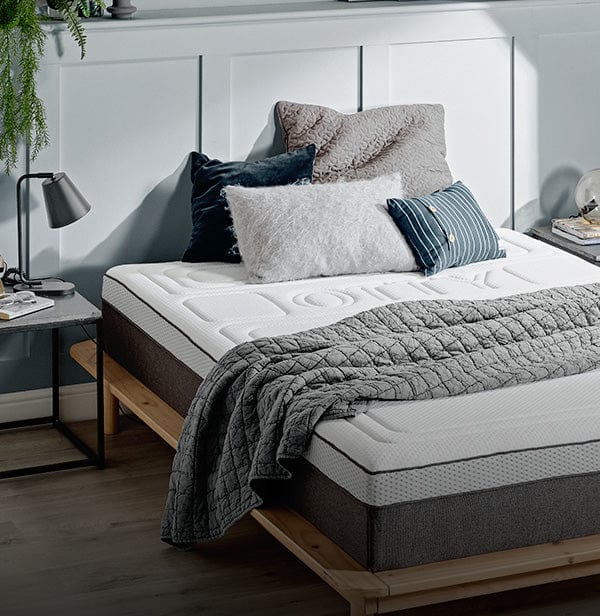
A light, calm bedroom made for slower mornings and cooler nights.
@ottysleep
Hybrid comfort, clean layers and a bedroom with room to breathe.
@ottysleep
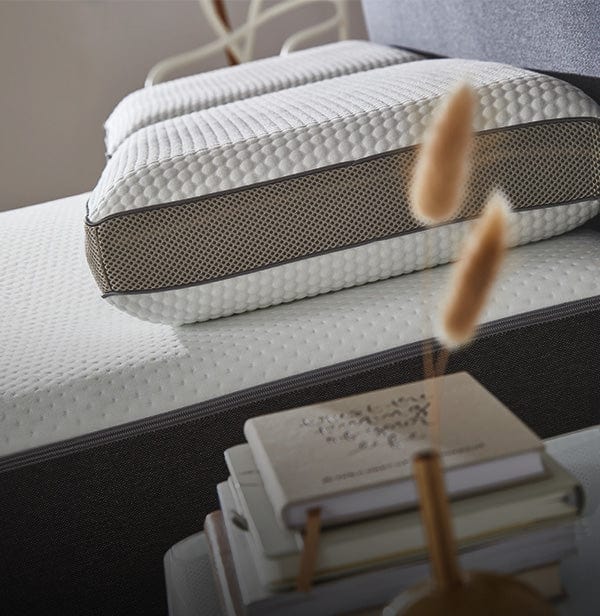
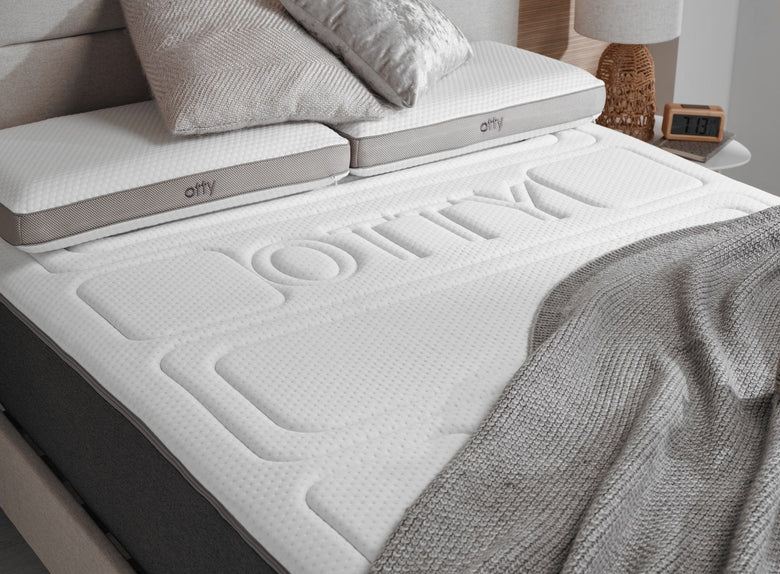
A closer look at the finishing layer of a comfortable sleep setup.
@ottysleep
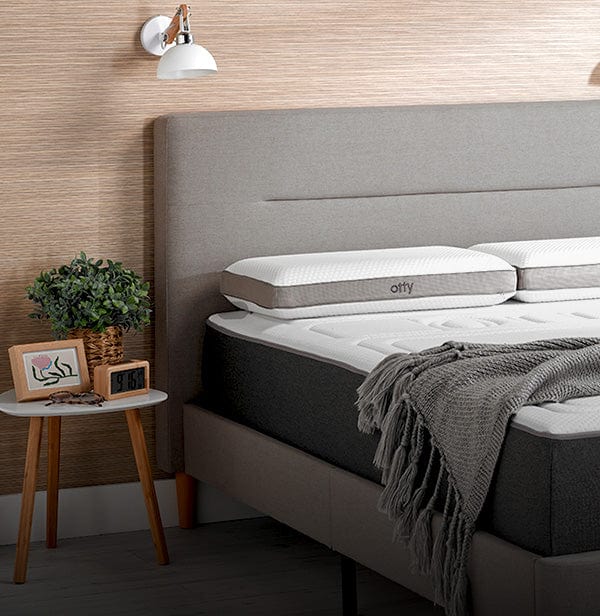
A simple bed frame, layered neutrals and a practical everyday layout.
@ottysleep
Natural light, soft colour and a mattress at the centre of the room.
@ottysleep
Soft sunlight and warm textiles bring a relaxed bedroom together.
@ottysleep
A closer view of the breathable sleep surface and considered details.
@ottysleep
Crisp white bedding keeps the room feeling calm, light and uncluttered.
@ottysleep
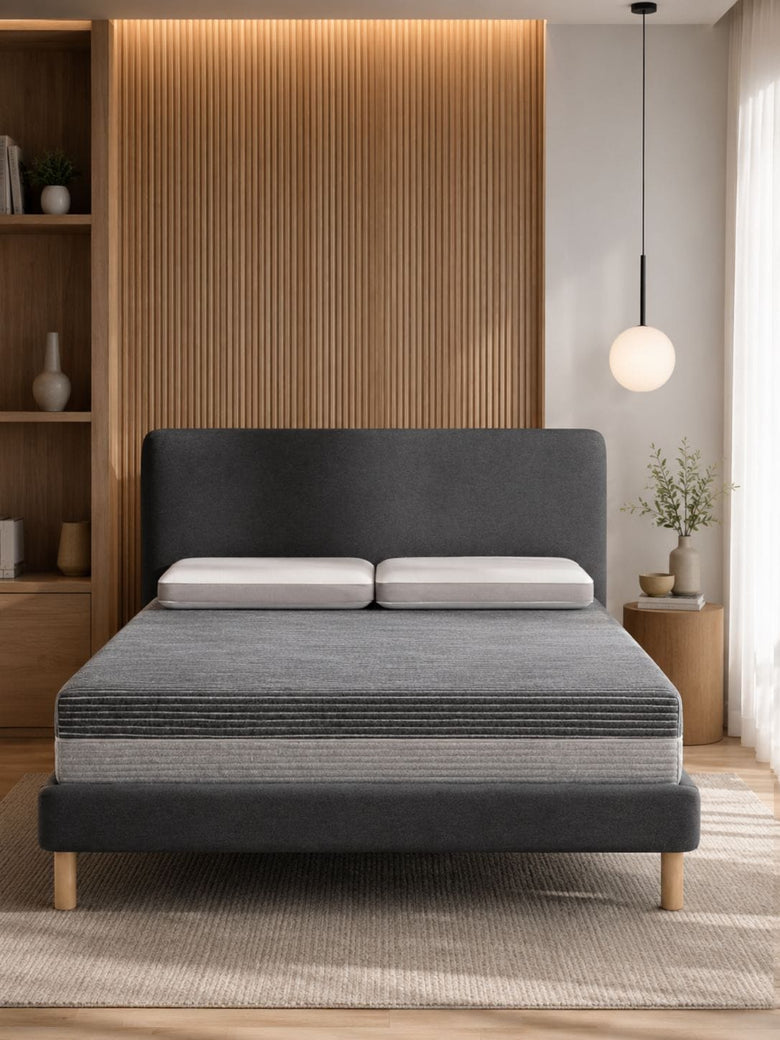
Deep timber tones and clean upholstery create a quieter focal point.

We give you up to 100 nights to fall in love with your OTTY. If you're not completely satisfied, we'll pick it up for free and give you a full refund.
Read about the 100 Night Trial
Want to spread the cost of your mattress? Our finance partner offers 0% APR across 3, 6, 9 and 12 months.
Explore 0% Finance
Order now and get the OTTY delivered by a dedicated courier team. We can even remove your old mattress and deliver to your room of choice for a small fee if needed.
View delivery information